
In modern industrial installations, variations in temperature, pressure, and mechanical load generate unavoidable movements in piping, ducts, and equipment. If these movements are not properly managed, they can lead to structural stresses, excessive vibrations, leaks, or premature failures.
Understanding how thermal expansion affects industrial systems is essential for designing safe, efficient, and long-lasting installations. In this context, expansion joints play a crucial role as absorption and protection elements, allowing systems to operate within safe limits.
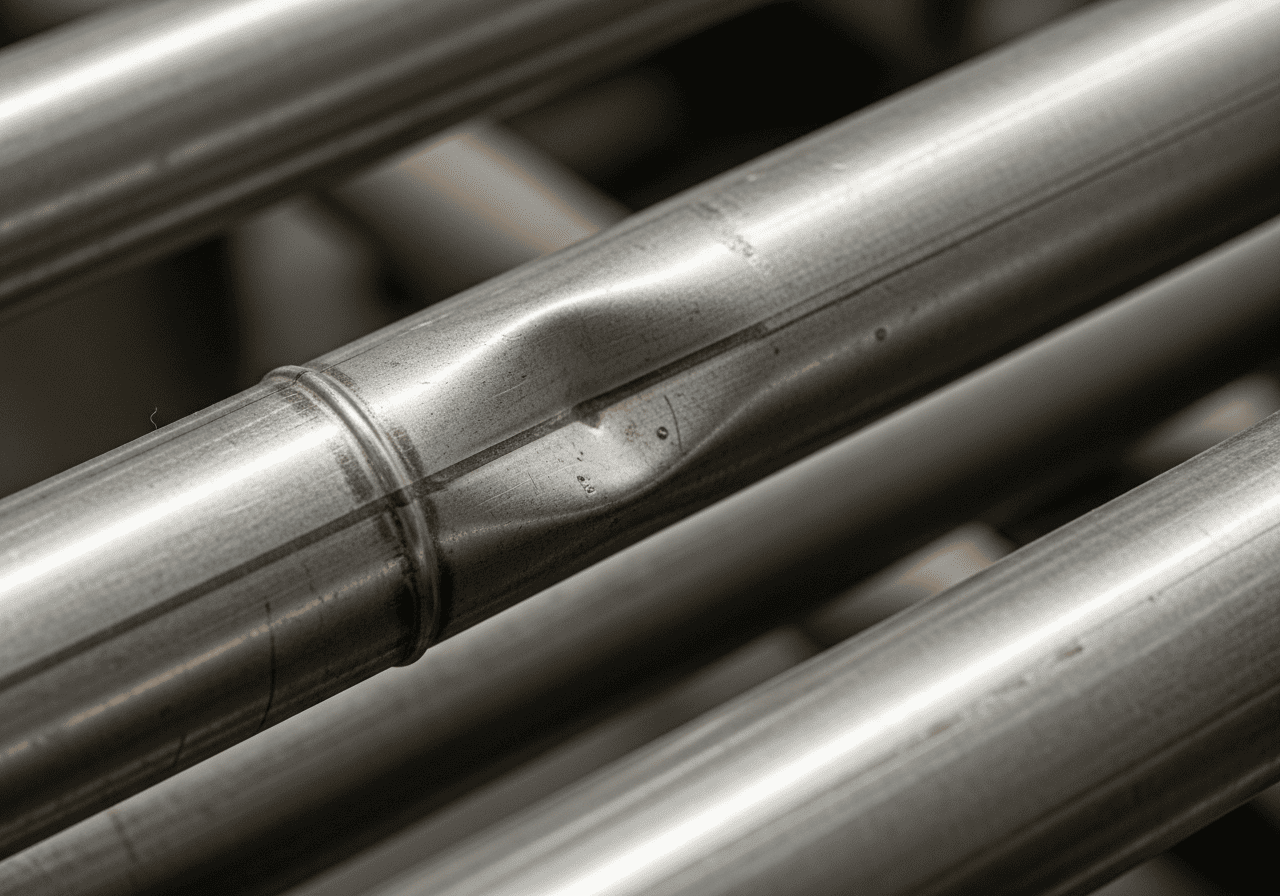
Thermal expansion as a challenge in industrial installations
Thermal expansion is an inevitable physical phenomenon: materials expand and contract depending on temperature and pressure. In industrial environments, where such changes may be constant or extreme, this behavior generates axial, lateral, and angular movements in piping systems.
When these movements are not considered during the design or maintenance phase, problems arise such as:
-
Mechanical overloads on flanges and supports
-
The appearance of cracks or deformations
-
Increased vibrations and noise
-
Reduced service life of the installation
For this reason, managing thermal expansion should not be considered a secondary detail, but rather a critical factor for safety and operational reliability.
What function do expansion joints fulfill?
From a functional standpoint, expansion joints—also known as expansion compensators—are flexible elements integrated into piping systems whose primary function is to absorb movements and reduce stresses.
Beyond their mechanical function, these components help to:
-
Minimize vibrations transmitted to the structure
-
Reduce noise levels within the plant
-
Protect sensitive equipment connected to the line
-
Facilitate system adaptation to variable operating conditions
Correct selection and installation allow the infrastructure to behave more stably under demanding conditions.
Key factors for selecting an appropriate compensation solution
Choosing a compensation solution is not limited to selecting a product type; it requires analyzing the complete context of the installation. Some of the technical factors that must be evaluated include:
-
Temperature variations within the installation
-
Operating pressure
-
Type of fluid conveyed
-
Expected movements (axial, lateral, angular)
-
Environmental conditions and corrosive agents
-
Thermal or acoustic insulation requirements
A proper analysis at this stage helps prevent future issues, optimize system performance, and reduce long-term maintenance costs.
Types of expansion joints according to application
There are different types of compensation solutions, each designed to address specific needs within an industrial installation. In general terms, they can be grouped into three main categories:
Fabric Expansion Joints
They stand out for their high flexibility and their ability to absorb simultaneous movements in multiple directions. They are commonly used in applications with large displacements and complex geometries.
Rubber Expansion Joints
They offer a balanced combination of elasticity, chemical resistance, and ease of installation, making them common in systems where space is limited or a compact solution is required.
Metal Expansion Joints
Designed for particularly severe conditions, such as high temperatures or pressures, and widely used in sectors where system robustness is a priority.
The choice of one solution over another will always depend on the specific operating scenario and the technical requirements of the system.
The importance of quality and control in manufacturing
Regardless of the type of solution used, manufacturing quality and applied controls are decisive in ensuring reliable in-service performance.
Well-defined manufacturing processes, proper material selection, and quality testing ensure that expansion components maintain their performance throughout their service life, even in demanding industrial environments.
Conclusion: A technical decision with long-term impact
Proper management of thermal expansion is a key aspect of the safety, efficiency, and durability of industrial installations. Incorporating suitable compensation solutions not only prevents costly breakdowns but also improves overall system behavior and operating conditions.
Having specialized technical advice makes it possible to evaluate each case individually, select the most appropriate solution, and ensure that the installation operates optimally over time.
Do you need technical advice for your installation?
-
-
Each installation has specific conditions and requirements. A proper technical analysis allows the most suitable compensation solution to be selected and helps avoid future issues.
If you would like to know which type of solution best fits your system, you can:
-
Visit our website: www.comdiflex.com
-
Contact the Comdiflex technical team directly for a personalized evaluation:
-
Phone: +34 943 63 40 14
-
Email: info@comdiflex.com
-
Contact form: https://comdiflex.com/en/contact/
-
-
-
60 years manufacturing and marketing sealing, expansion, and corrosion products
WE ARE CERTIFIED INSTALLATION SPECIALISTS
Commitment, quality, and speed. At Comdiflex, this is how we understand our customers’ demands.
Without a doubt, when we are able to meet our customers’ needs and provide fast, high-quality solutions, we grow.
We are awardees of the framework contracts for:

WITH OVER 60 YEARS OF EXPERIENCE IN THE INDUSTRY, COMDIFLEX OFFERS A COMPLETE SERVICE FOR OUR CUSTOMERS.
CONTACT US!
Follow us on LinkedIn to stay up to date with our latest news
